Back to countries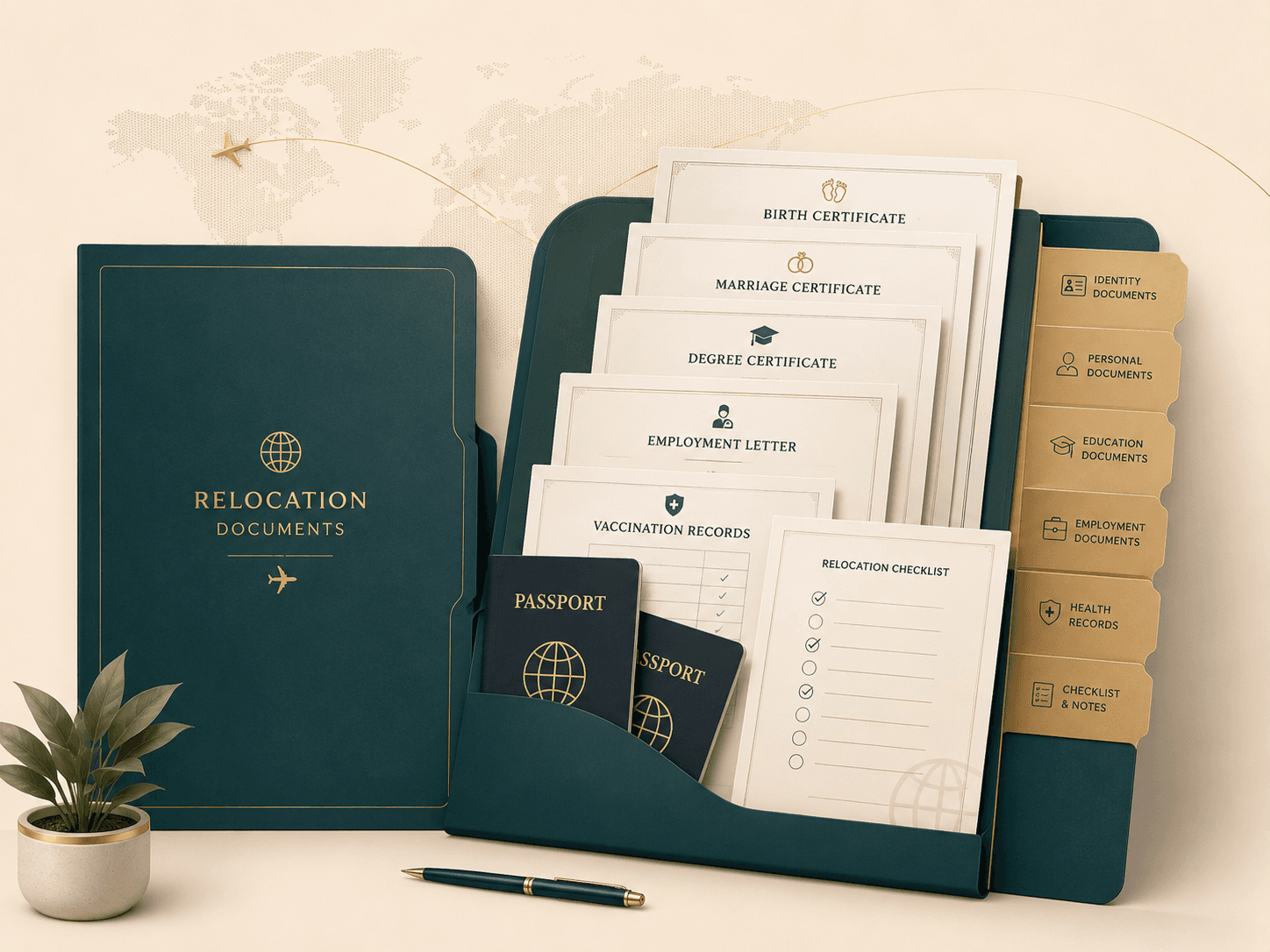
Starter guideHigh content riskReviewed 17 June 2026
India to US Relocation Starter Kit
A practical starter guide for Indian professionals and families moving to the United States, focused on first-month setup and state-specific caution.
Use this as a practical planning guide. Costs, rents, school fees, rules, and service availability change. Verify current information directly with official sources, providers, and qualified professionals.
Who this guide is for
Indian professionals and families who already have an employer, university, or approved route and need practical settlement guidance after landing.
H-1B and L-1 professionalsFamiliesStudents transitioning to work
Real move story placeholder
The US move is often well supported at visa entry but still confusing after landing because banking, credit score, healthcare, driving rules, rentals, and school systems vary by state.
Before accepting the offer
- Clarify relocation support, health insurance, dependent coverage, and destination city.
- Compare compensation against local rent, healthcare contribution, car dependency, and childcare.
- Ask what employer support exists after arrival.
Documents checklist
- Passports and visa documents
- Employer or university documents
- Marriage and birth certificates
- Education records
- Driving history if relevant
- Medical prescriptions and insurance papers
Day 1 to 7
First 7 days
- Set up local connectivity and keep Indian OTP access working.
- Follow employer or university onboarding steps.
- Understand SSN and bank account sequence from official or employer sources.
- Arrange transport based on city needs.
Day 8 to 30
First 30 days
- Work on bank account, housing, utilities, mobile, and healthcare practicalities.
- Understand state-specific driving and ID requirements.
- Avoid rental transfers without verification.
- Create a simple monthly cost tracker.
Day 31 to 90
First 90 days
- Build credit carefully, stabilise healthcare and school routines, and understand local tax and payroll basics through qualified sources.
- Connect with Indian community groups and local support.
Daily living context
Weather, food, culture, transport, safety, and community
Weather and clothing
- • Check destination climate, office expectations, winter or rain needs, and footwear before packing.
- • Buy some items after arrival once you understand actual local weather and work culture.
Food and groceries
- • Research supermarkets, Indian groceries, vegetarian options, and online shopping before choosing an area.
- • Check food and customs rules before packing spices, grains, snacks, or medicines.
Culture and etiquette
- • Learn local public behaviour, transport etiquette, fines, appointment culture, and workplace norms.
- • Use official sources for rules and community advice only as practical context.
Transport and commute
- • Check office commute, school route, airport transfer, public transport, taxi apps, and car needs.
- • Driving licence and rental car requirements should be verified directly before use.
Safety and neighbourhood comfort
- • Check commute comfort, family access, nearby clinics, late-night transport, and local emergency contacts.
- • Visit the neighbourhood if possible before committing to rent.
Community and support
- • Research Indian stores, temples, regional groups, workplace groups, language support, and kids playgroups.
- • Treat community tips as starting points, not guarantees.
Indian family tips
- Expect city and state differences.
- Do not assume healthcare works like India.
- Carry prescriptions and essential medicines within permitted rules.
- Keep Indian financial accounts reachable through OTP planning.
Common mistakes to avoid
- Assuming one US guide applies to every state.
- Underestimating healthcare and car-related costs.
- Rushing rental decisions.
- Ignoring credit score setup.